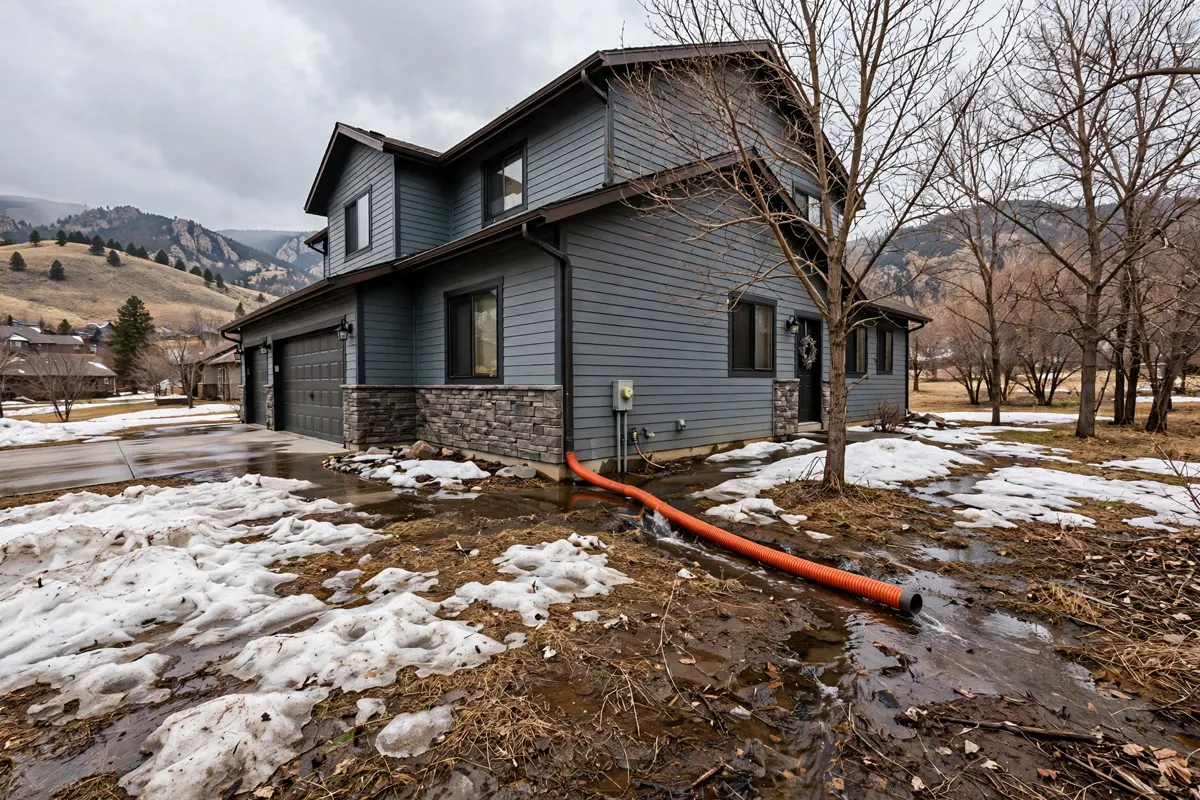
Every spring, the snow that kept Brighton beautiful all winter turns into the year's biggest basement threat. A Front Range winter stacks snow against foundations, in window wells, and across yards — and when the first warm stretch arrives, all of it melts at once. The ground is still frozen, so it cannot absorb the water. Instead the meltwater runs along the surface toward the lowest point it can find, and for most homes that is the basement. The result is a pattern Brighton homeowners know well: a dry basement all winter, then damp carpet, a musty smell, or standing water in the first warm week of March. The good news: spring-thaw flooding is predictable, and most of it is preventable with work done before the melt begins.
1. Why the thaw hits Brighton basements so hard
Brighton sits on the high plains east of the Rockies, where winter snowpack and spring storms deliver a lot of water in a short window. A single warm spell can melt weeks of snow in a few days, and rain falling on the snowpack doubles the volume in hours. The problem is timing: the melt arrives while the ground is still frozen a few inches down, so the water has nowhere to soak in. The clay-heavy soil across Adams and Weld counties makes it worse — it drains slowly even after it thaws, and it swells against foundation walls, opening the hairline cracks meltwater exploits. Add a high seasonal water table near the South Platte River, and many Brighton-area homes sit in ground that stays wet for weeks each spring. The thaw needs no storm to cause trouble; a run of sunny days in the forties is enough.
2. The five ways meltwater gets in
Meltwater does not pour through the front door. It finds the small openings every house has, and the thaw gives it weeks of steady pressure to work through them. These are the entry points we see most in Brighton basements each spring:
- The wall-to-floor joint: where the foundation wall meets the slab, the most common seepage line in older homes
- Hairline foundation cracks: freeze-thaw widens them, and meltwater follows the crack straight inside
- Window wells: snow piled in the well melts against the window and seeps through the frame or the drain
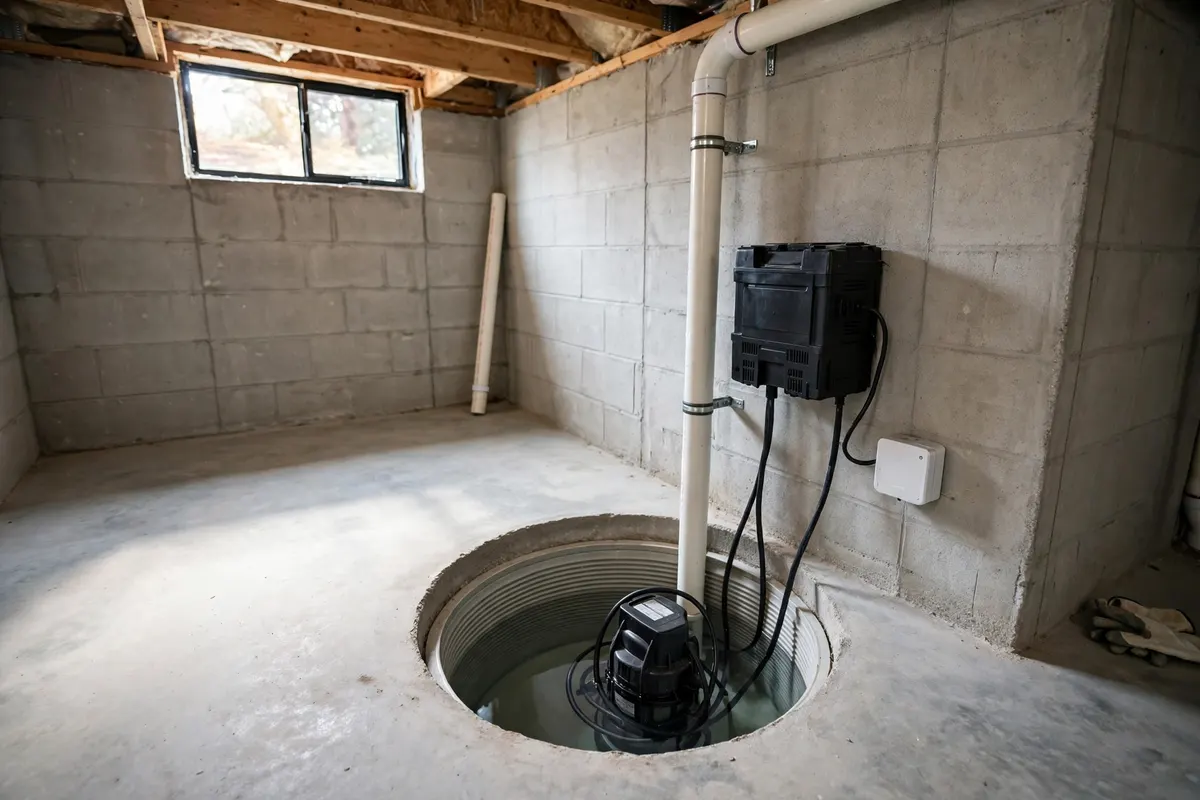
- The sump pit: a pump that has not run since autumn can seize, and the pit overflows before anyone notices
- Floor drains and sewer lines: heavy melt can overwhelm the municipal system and push water back toward the house
3. Before the melt: a weekend of prevention
The best time to stop a spring flood is a dry weekend in late winter, before the first warm spell. It is a walk around the house with a shovel and a checklist:
- Shovel snow away from the foundation, especially drifts against the house and in window wells
- Clear gutters and downspouts of winter debris, and fit extensions that carry water several feet from the house
- Check the grading: soil should slope away from the foundation — add soil where it has settled
- Clear window wells of snow and leaves, and confirm the well drain is open
- Test the sump pump: pour a bucket of water into the pit and confirm it starts, empties the pit, and shuts off — then test the battery backup
- Walk the basement and mark any damp spots or cracks now, so you can tell at a glance if they grow during the thaw
4. During the thaw: what to watch for
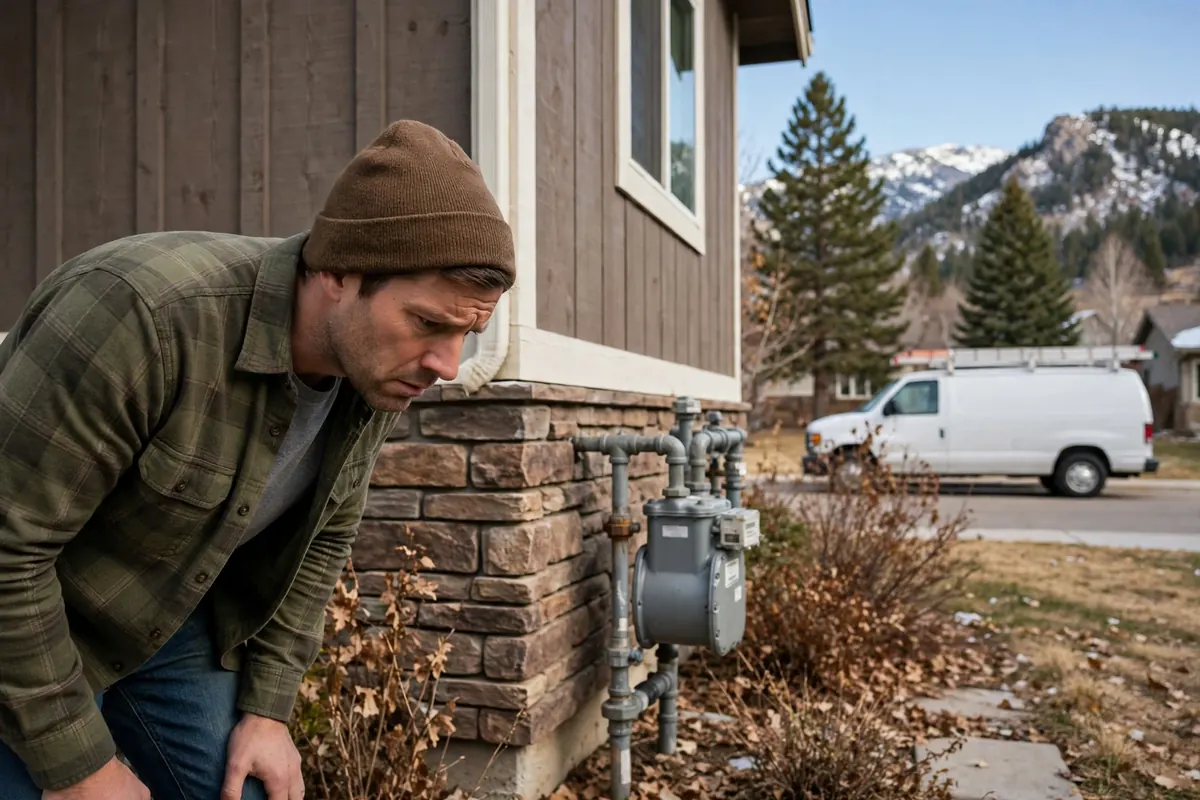
Once the melt starts, a quick daily check takes two minutes and catches trouble early. Look for a damp edge along the carpet, a musty smell that was not there yesterday, staining at the baseboards, or the sump pump cycling far more often than usual. Check window wells after each warm day — a well filling with meltwater is a window leak waiting to happen. If you find water, do not wade into it: water near outlets or the electrical panel is dangerous, so shut off power to the area from a dry spot if you can do so safely. Move valuables to dry ground, clear what you can, and call a plumber the same day — a damp patch can become standing water overnight as the melt continues. Take photos of any damage as you go; they are useful if you need to show anyone what happened.
5. Fixes that last beyond one spring
Prevention work buys you a dry spring; these fixes buy you dry springs for years. A sump pump with a battery backup is the single most effective safeguard for a Brighton basement — the pump handles the melt, and the backup handles the power cut that so often arrives with the same storm. Regrading the soil around the foundation is the cheapest structural fix there is, and it pays off every spring. Window well covers keep snow and rain out while letting light in, and a well drain that actually drains stops the most common window leak. Where a home has a history of sewer backup during heavy melt, a backwater valve stops municipal water flowing back into the house. And foundation cracks that seep every spring are worth sealing before the next thaw — a crack that lets water in once will let more in every year.