Sump Pump Services • Brighton, CO
Sump Pump Services in Brighton, CO
Spring snowmelt and summer storms flood Brighton basements every year. A working sump pump is the difference between a wet floor and a disaster. Call (720) 615-8111 — we answer 24/7.
Brighton, Colorado
Professional Sump Pump Services Done Right
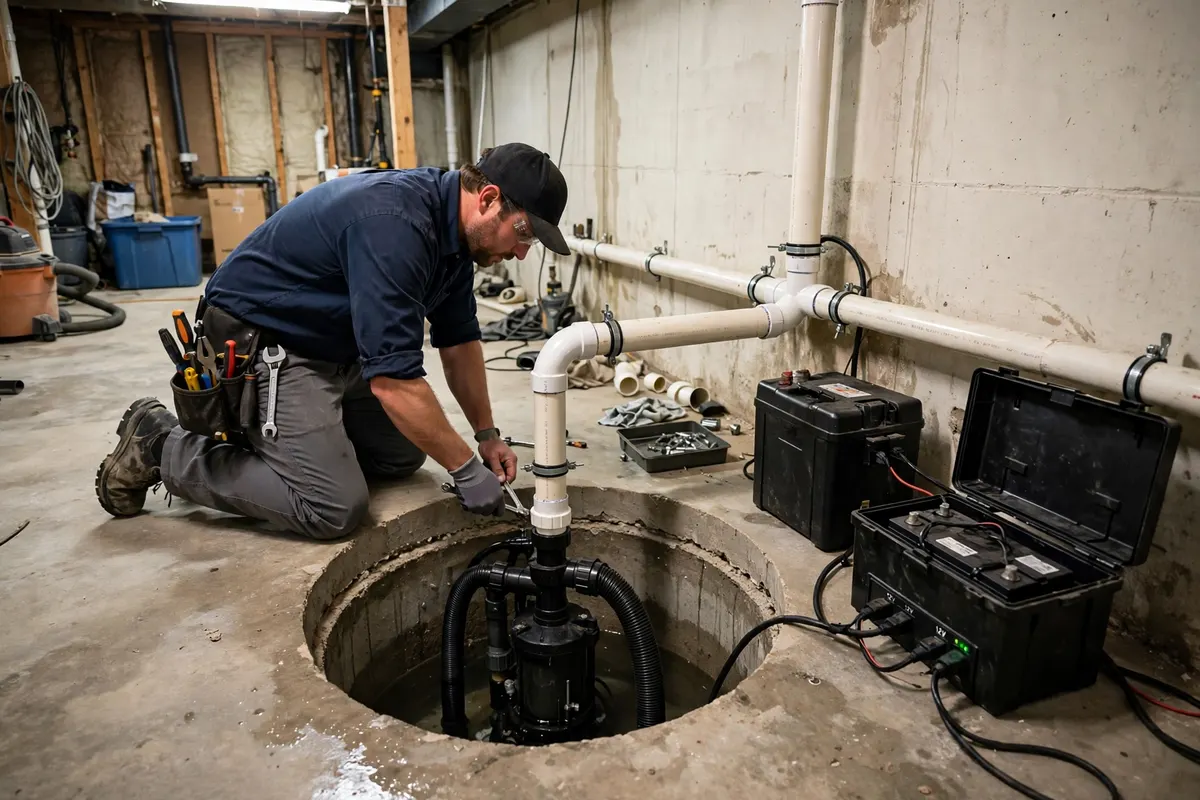
Brighton basements sit in the path of two predictable floods: the spring snowmelt that soaks the soil along the South Platte corridor, and the summer thunderstorms that can drop an inch of rain in an hour onto ground that cannot absorb it. A sump pump is the quiet machine that stands between those events and your finished basement — collecting groundwater in a pit below the floor and pumping it out before it ever reaches your carpet, drywall, or stored belongings. Our crews install, repair, and maintain sump pumps across Brighton and the surrounding Adams and Weld County towns, including battery backup systems that keep pumping when a storm knocks out the power — which is exactly when you need the pump most.
What's included
- New sump pump installation with properly sized basin and discharge
- Battery backup and alarm systems for power-outage protection
- Repair and replacement of failed, noisy, or short-cycling pumps
- Annual pit cleaning, float-switch testing, and maintenance plans
How It Works
Our Sump Pump Services Process
1. Call & Diagnose
Tell us what's happening — we'll ask smart questions and dispatch immediately for emergencies.
2. Upfront Price
On-site diagnosis, then a flat-rate price you approve before any work begins.
3. Expert Repair
Stocked vans mean most jobs finish in a single visit, done to code.
4. Clean & Test
Full cleanup, system testing, and prevention tips before we leave.
Need Sump Pump Services Today?
Call (720) 615-8111 now — same-day sump pump installation & repair across Brighton and surrounding towns.
Service Areas
Sump Pump Services Across 15 Towns
Brighton, CO
sump pump installation & repair near you
Commerce City, CO
sump pump installation & repair near you
Thornton, CO
sump pump installation & repair near you
Fort Lupton, CO
sump pump installation & repair near you
Lochbuie, CO
sump pump installation & repair near you
Henderson, CO
sump pump installation & repair near you
Keenesburg, CO
sump pump installation & repair near you
Hudson, CO
sump pump installation & repair near you
Platteville, CO
sump pump installation & repair near you
Northglenn, CO
sump pump installation & repair near you
Westminster, CO
sump pump installation & repair near you
Broomfield, CO
sump pump installation & repair near you
Erie, CO
sump pump installation & repair near you
Firestone, CO
sump pump installation & repair near you
Frederick, CO
sump pump installation & repair near you
Good to Know
Sump Pump Services FAQs
How do I know if my home needs a sump pump?
If your basement has ever taken on water — even a damp corner after snowmelt or a heavy storm — you need one, and so do homes with a high water table, poor exterior drainage, or a history of seepage along the foundation. Many Brighton homes built near the South Platte corridor or in low-lying subdivisions have groundwater pressure that pushes water through floor cracks and the joint where the wall meets the floor. A sump system gives that water somewhere to go before it reaches your living space. If you are unsure, a site check of your basement, grading, and water history will settle it.
What happens when the power goes out during a storm?
That is the scenario a backup system exists for. A battery backup pump sits beside the primary pump in the same pit and switches on automatically when the main pump loses power or fails — no action needed from you. Most backup batteries carry a home through a typical outage, and an audible alarm alerts you when the backup is running so you know to check the situation. For homes that flood regularly, we also discuss water-powered backup options, which run off municipal water pressure and never need a battery. The worst time to discover your pump has no backup is during the storm that needs it.
How often should a sump pump be tested and serviced?
Test it yourself every few months: pour a bucket of water into the pit and watch the pump switch on, empty the pit, and switch off cleanly. A pump that runs constantly, short-cycles on and off, grinds, or fails to start needs attention before the next storm, not after. A professional service once a year — pit cleaning, float-switch check, discharge-line inspection, and backup-battery test — catches the failures that a bucket test misses, like a discharge line that has frozen, clogged, or been crushed outside. Pumps typically last 7–10 years; a pump older than that, or one that has already failed once, is living on borrowed time.
Where does the discharge water go, and does it matter?
Yes — discharge routing is half the job. Water pumped out must be carried well away from the foundation, ideally to a spot where it drains away from the house and does not pool against the walls or flood a neighbor's yard. A discharge line that dumps right beside the foundation just recycles the same water back into the pit, wearing the pump out and leaving the basement wet. We route discharge lines with proper slope, freeze-resistant termination where winters demand it, and a check valve that stops pumped water from flowing back into the pit when the pump stops.