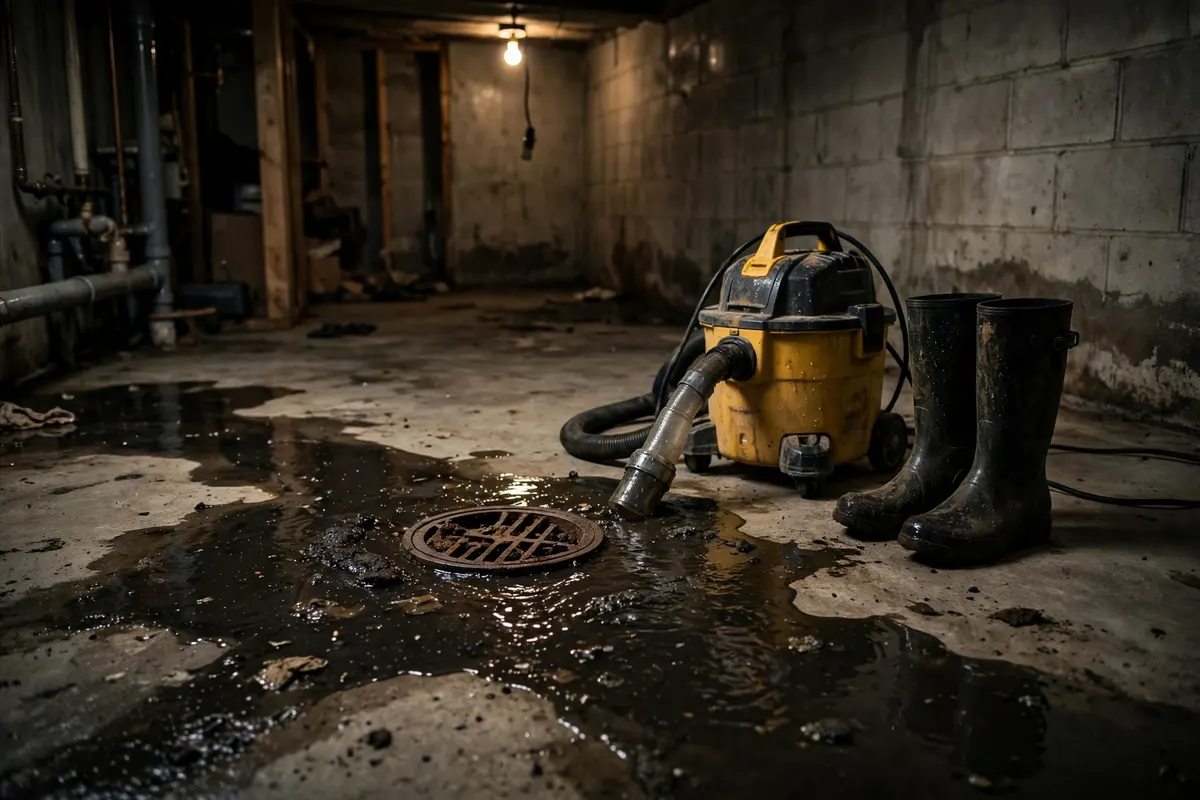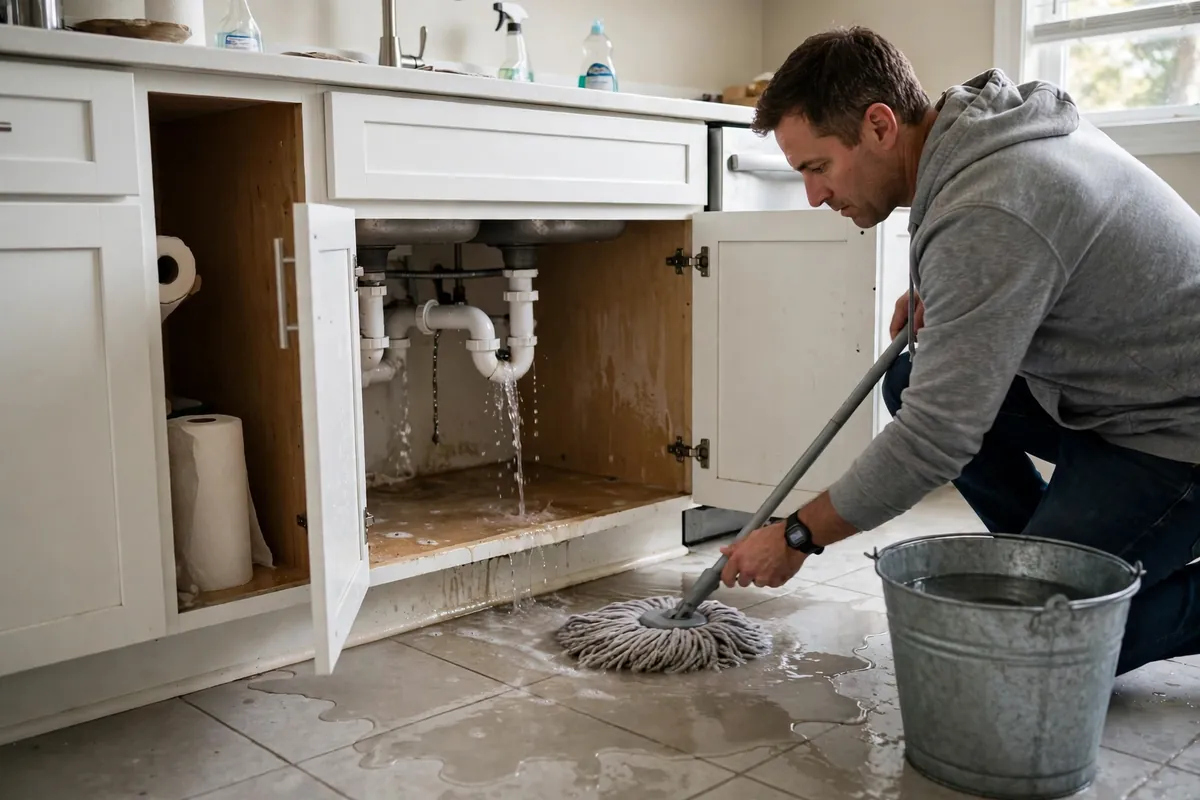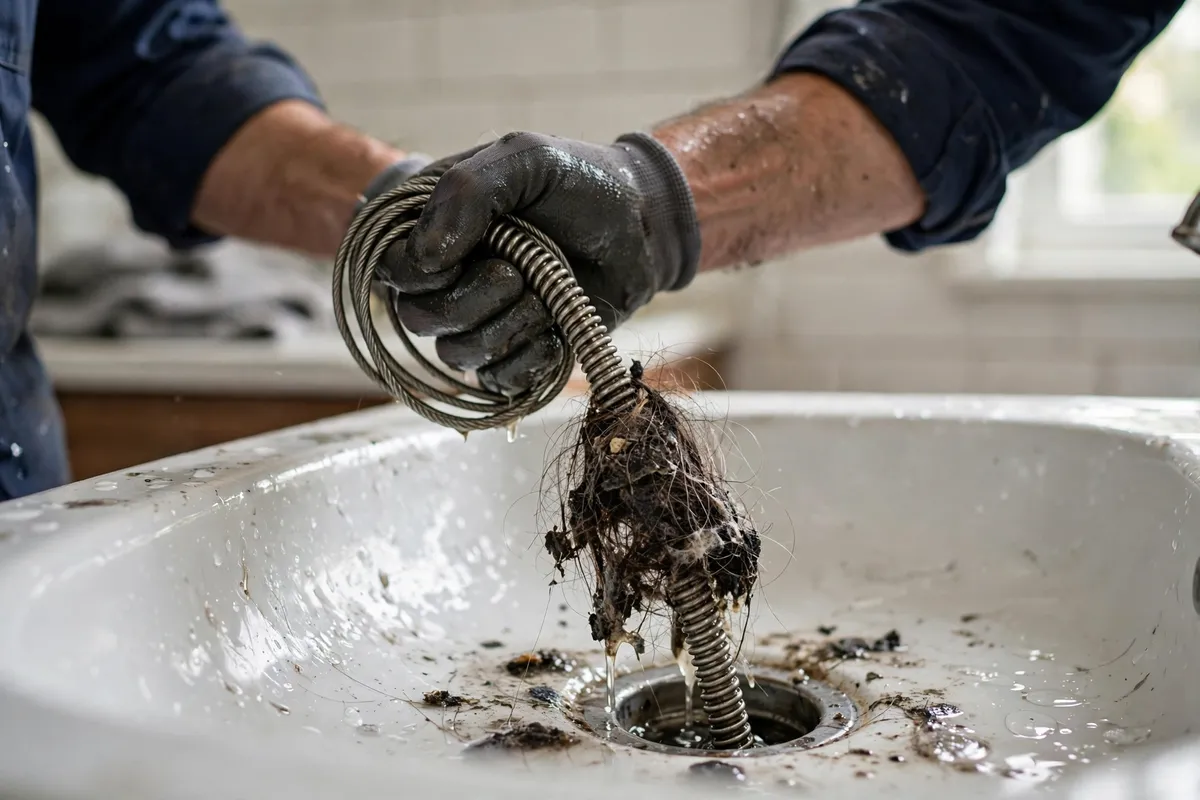
Every plumber knows the address: the kitchen sink that clogs every four months, the tub that's slow again six weeks after it was snaked. Recurring clogs feel like bad luck, but they're almost always a pattern with a cause — and until the cause is fixed, the clog is just the symptom that keeps the appointment. Here's what we actually find when a Brighton drain won't stay clear, and how each cause gets fixed for good.
Cause 1: The grease film that never left
Kitchen lines clog in layers. Hot grease goes down liquid, cools on the pipe wall, and hardens into a film that catches food particles, which catch more grease. A snake punches a tunnel through the plug, water flows — and the film is still there, already collecting the next clog. This is the number-one recurring-clog mechanism we see, and its real fix is hydro jetting, which strips the wall clean, plus a habit change: grease goes in a can, never the sink.
Cause 2: A belly in the pipe
A belly (or sag) is a section of pipe that has settled below grade, so water pools in it permanently instead of flowing through. Solids settle in the pool, the line clogs at the same spot again and again, and no cleaning method fixes a geometry problem. A camera inspection finds bellies precisely; the lasting repair is re-grading or replacing that section. Homeowners waste real money jetting a belly every year before someone finally cameras it.
Cause 3: Roots doing what roots do
Tree and shrub roots enter sewer lines through microscopic joint gaps, drawn by moisture and nutrients. Once inside, a root mass grows like a net, catching paper and waste until the line backs up. Snaking trims the net; it regrows. The lasting fixes combine jetting (to clear the mass fully), root-inhibiting treatment, and — where roots have cracked the pipe — repair or lining of that section so there's no gap left to enter.
Cause 4: The pipe itself is failing
Old cast iron corrodes from inside: the walls scale and roughen until everything catches on them. Orangeburg (a mid-century fiber pipe still found in some older Front Range neighborhoods) blisters and collapses with age. Galvanized drains narrow with rust. At some point the honest diagnosis is that the pipe is the clog — and repeated cleaning visits should be weighed against the replacement you've been funding in installments.
The habits that keep clear drains clear
Once a line is truly clean, these keep it that way:
- Grease, oil, and coffee grounds go in the trash — never the sink, disposal or not.
- Drain strainers in tubs and showers; hair is the bathroom clog, period.
- Only toilet paper goes in a toilet — 'flushable' wipes are the main-line clog we pull out most.
- Run hot water for 30 seconds after using the disposal to carry debris through the line.
- Treat the second clog in a year as a camera-inspection appointment, not another snaking.