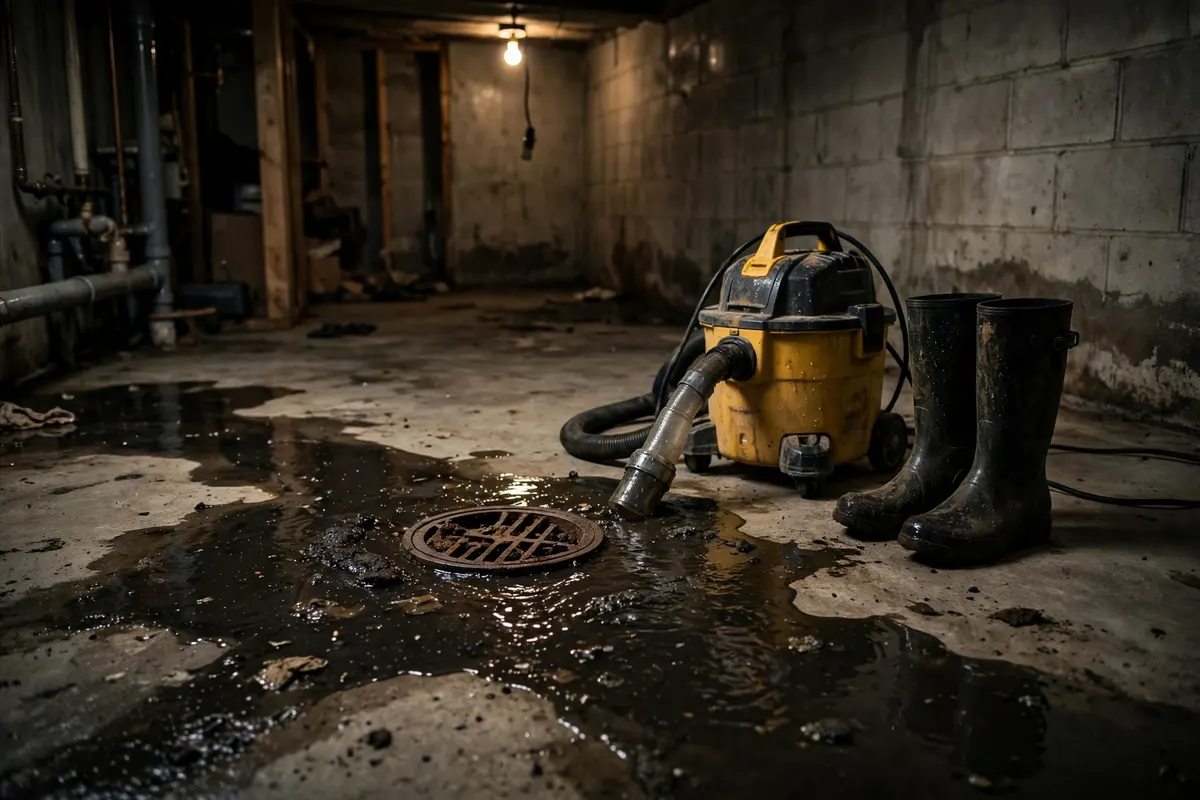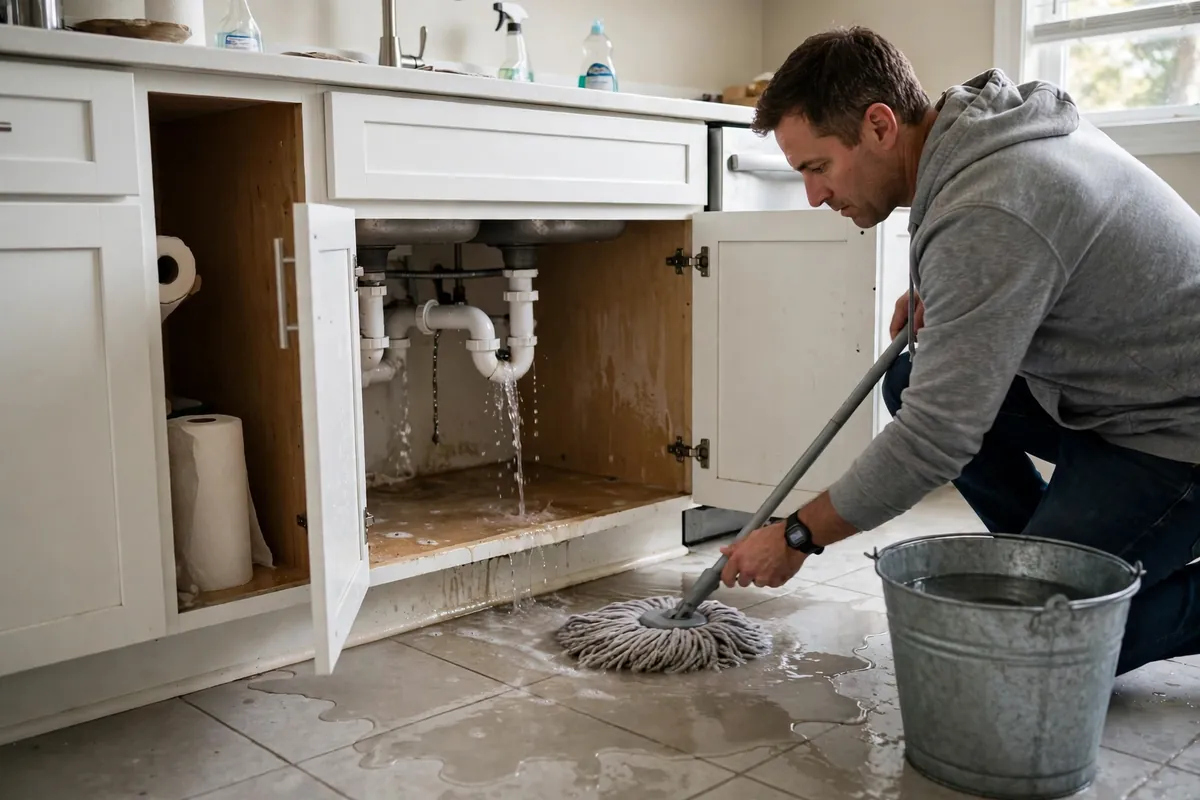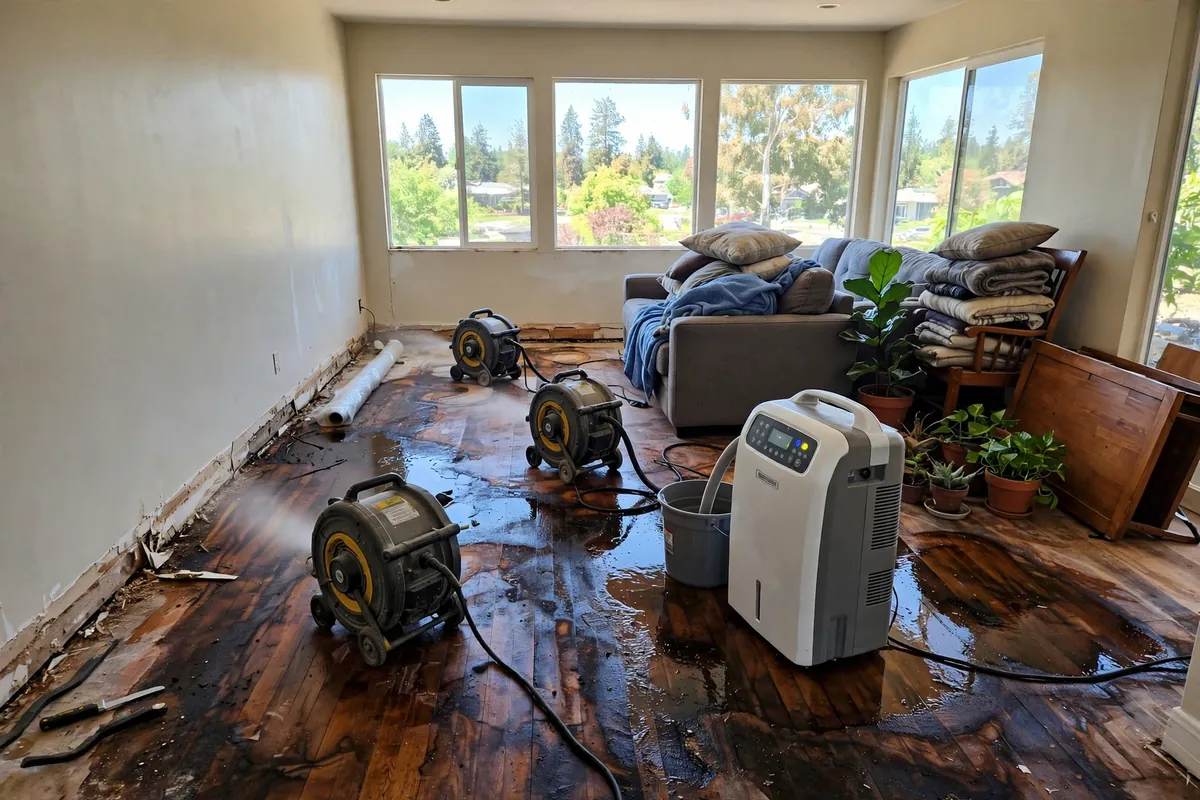
Adams and Weld county winters don't ease in — one week it's 55 degrees, the next it's -8 with wind. That swing is exactly what bursts pipes: water left in an unprotected line freezes, expands, and splits the pipe, and the flood only shows itself when things thaw. The good news is that frozen pipes are one of the most preventable plumbing disasters there is. This is the same checklist we give our own customers every fall.
Find your vulnerable runs first
Pipes freeze where they're exposed to cold air: crawlspaces, unheated basements, garages, attics, and exterior walls — especially north-facing ones. Hose bibs and the pipes feeding them are the single most common failure point we repair in Brighton. Walk your home with a flashlight before the season starts and note every run that touches an outside wall or unheated space; that's your work list.
Insulate — and seal the air leaks too
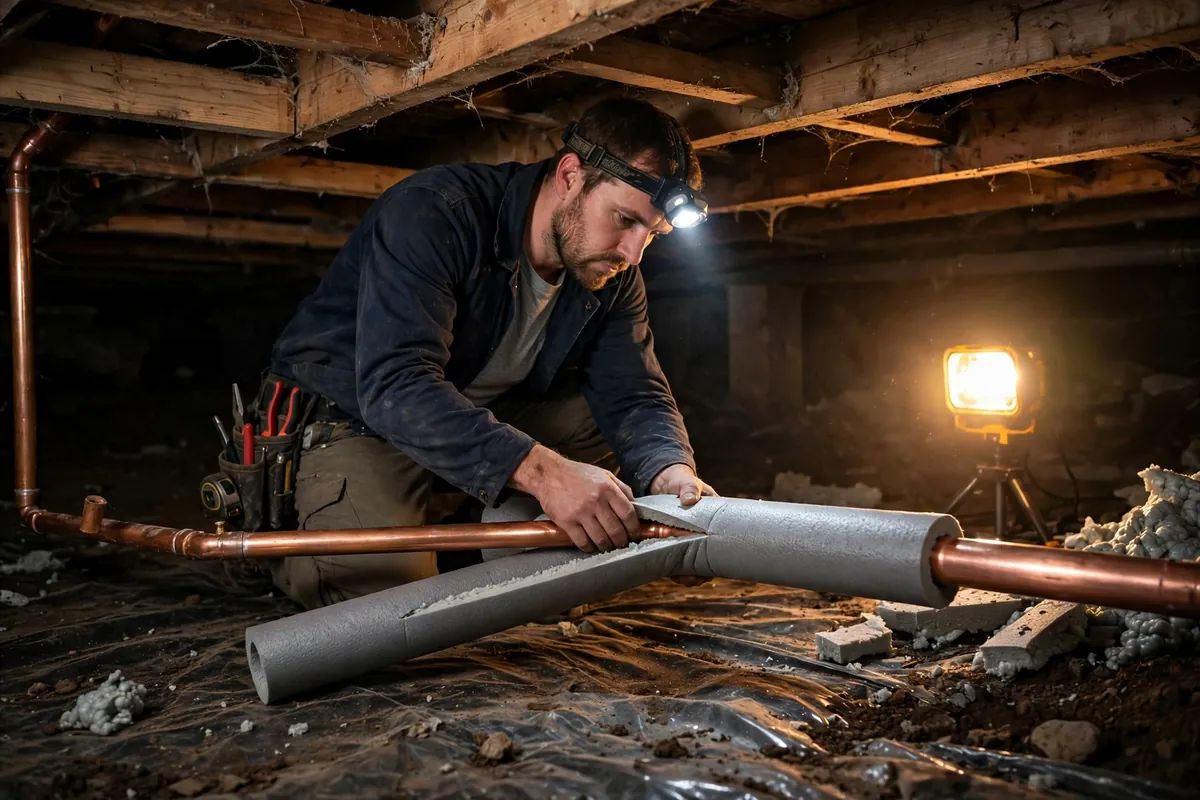
Foam pipe sleeves are cheap and take minutes to install on accessible runs. For pipes in truly cold spots, thermostatically controlled heat cable under the insulation handles the nights insulation alone can't. Just as important: seal the air leaks. A gap in the foundation or rim joist blowing 0-degree air directly onto a pipe will defeat good insulation, so caulk and foam those openings too.
Winterize the outside properly
Before the first hard freeze: disconnect garden hoses (a connected hose traps water in the bib and is the classic cause of a split), shut the interior valve feeding each hose bib, and open the outside faucet to drain what's left. Frost-free sillcocks help, but only when the hose is actually disconnected — the 'frost-free' design still fails with a hose attached.
During a cold snap, change how the house runs
When nights drop into the teens or below, a few habits matter more than any product:
- Keep the thermostat at a consistent temperature day and night — don't set it back while a freeze is on.
- Open cabinet doors under sinks on exterior walls so warm house air reaches the pipes.
- Let faucets on vulnerable runs drip slowly — moving water resists freezing and relieves pressure if ice does form.
- If you're traveling, keep the heat on at 55°F minimum and ask a neighbor to check the house daily.
If a pipe freezes anyway
No water from one faucet after a cold night usually means a frozen section, not a burst — yet. Turn the faucet on, apply gentle heat with a hair dryer or space heater working back from the faucet toward the cold area, and never use a torch. If you can't find the freeze, or the pipe has already split, shut off the main and call for help before the thaw turns it into a flood.