Emergency Guide
Pipe Burst in Your Home? Do These 5 Things First
A burst pipe pours hundreds of gallons an hour. These five steps, in this order, are what limit the damage in the first minutes.
Read the guide →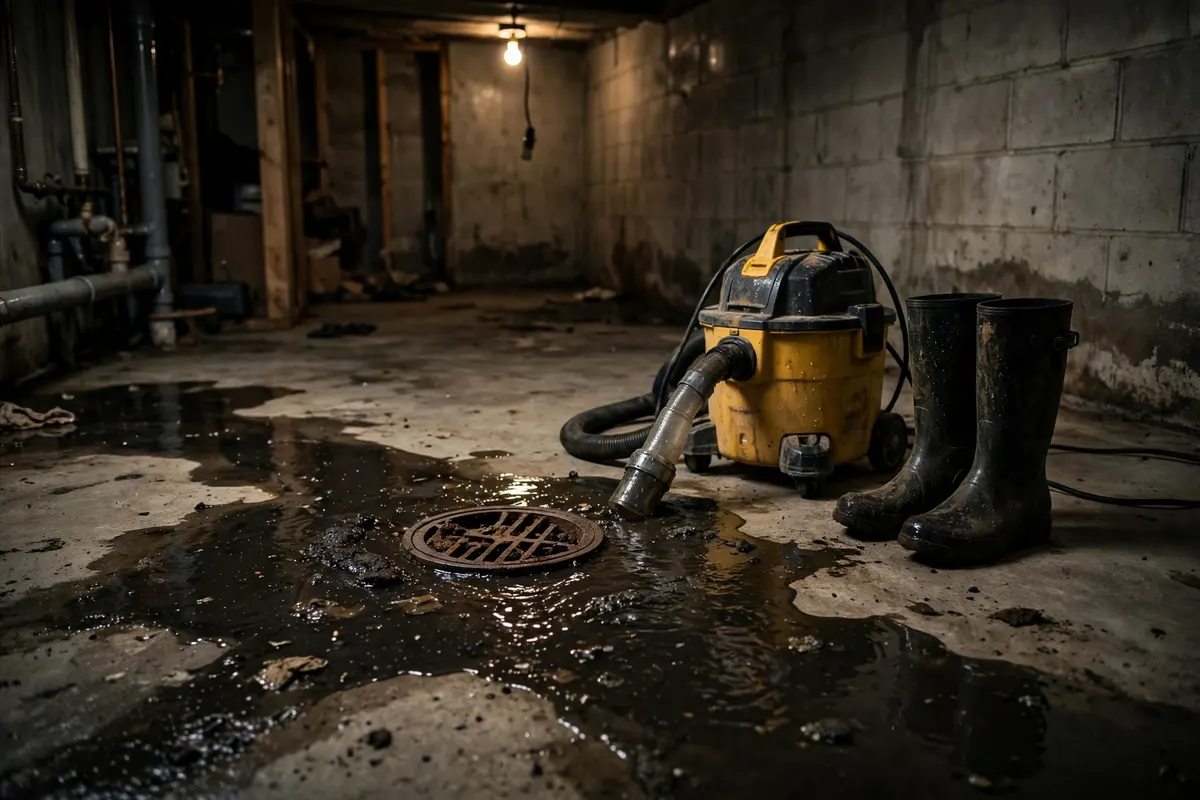
Sewage backing up into your home is one of the few plumbing problems that is both a property emergency and a health hazard at the same time. Raw sewage carries bacteria and contaminants you do not want on floors, in carpets, or anywhere near your family — and unlike a clean-water leak, every flush, shower, or load of laundry you run while the line is blocked adds to the mess. Brighton homeowners usually discover a backup at the lowest drain in the house: a basement floor drain, a basement shower, or a first-floor toilet. If that is happening right now, here is exactly what to do, in order, before the plumber arrives.
This is the single most important step, and it is the one people get wrong most often. When the main sewer line is blocked, every gallon that goes down any drain in the house has nowhere to go except back up through the lowest opening. That means no flushing, no showers, no laundry, no dishwasher, and no running taps until the line is clear. Tell everyone in the house immediately — a single flush from someone who did not get the message can undo an hour of containment. If you have guests, a rental unit, or a basement tenant, let them know too. The backup stops growing the moment the water stops flowing.
Raw sewage is not just dirty water. Keep children and pets out of affected rooms entirely, and avoid walking through contaminated areas in bare feet or regular shoes — you will track it through the rest of the house. If you must enter the area, wear rubber boots and gloves, and wash hands and exposed skin thoroughly afterward. Move what you can save without wading in: pull rugs, boxes, and low furniture out of the path of spreading water, and get anything porous — cardboard, fabric, paper — up off the floor. Porous items that have soaked in sewage generally cannot be salvaged safely, so prioritize what is still dry.
You cannot stop a backup from inside the house, but you can slow its spread while help is on the way:
Before you mop, vacuum, or throw anything away, take photos and short video of the backup: the drain it is coming from, how far the water has spread, and every damaged item. This record matters for two reasons. First, if you have a water-backup endorsement on your homeowners policy, the claim is built on this evidence — insurers decide coverage from what you can show, and a cleaned-up basement tells no story. Second, the photos help your plumber: the pattern of which drains backed up, and in what order, points to where the blockage sits. Note the time you first noticed it and what was running when it started.
A sewer backup is a same-day emergency, not a next-week appointment. When you call, say plainly that sewage is backing up and that you have stopped using water — that puts your call at the front of the queue. A proper emergency visit does two things: it clears the blockage with professional augering or jetting, and then it cameras the line to find out why it blocked. Roots, a collapsed section, grease buildup, and a bellied pipe all look the same from the drain — the camera is what tells them apart, and it is what decides whether this was a one-time clog or a repair waiting to happen again. Ask to see the footage and to hear the options before anyone leaves.
Good to Know
It is an emergency. Sewage in your living space is a health hazard, and every hour of delay risks deeper contamination into flooring, drywall, and belongings — plus a bigger cleanup bill. If sewage is actively coming up, call for emergency service now, even at night.
For a main-line backup, we advise against it. Store-bought and rental snakes rarely reach or clear a main-line blockage, and without a camera you cannot tell whether you are dealing with roots, grease, or a broken pipe. Worse, aggressive snaking on a damaged line can make the break worse. The safe move is to stop using water and call a crew with full-size augers, jetters, and a camera.
It depends on the cause the camera finds. Roots get scheduled root service or a pipe repair; grease gets jetting and a habit change in the kitchen; a broken or bellied section gets repaired or replaced. One practical rule for every household: only toilet paper goes in a toilet — wipes labeled flushable are the most common main-line blockage we pull out.
Keep Reading
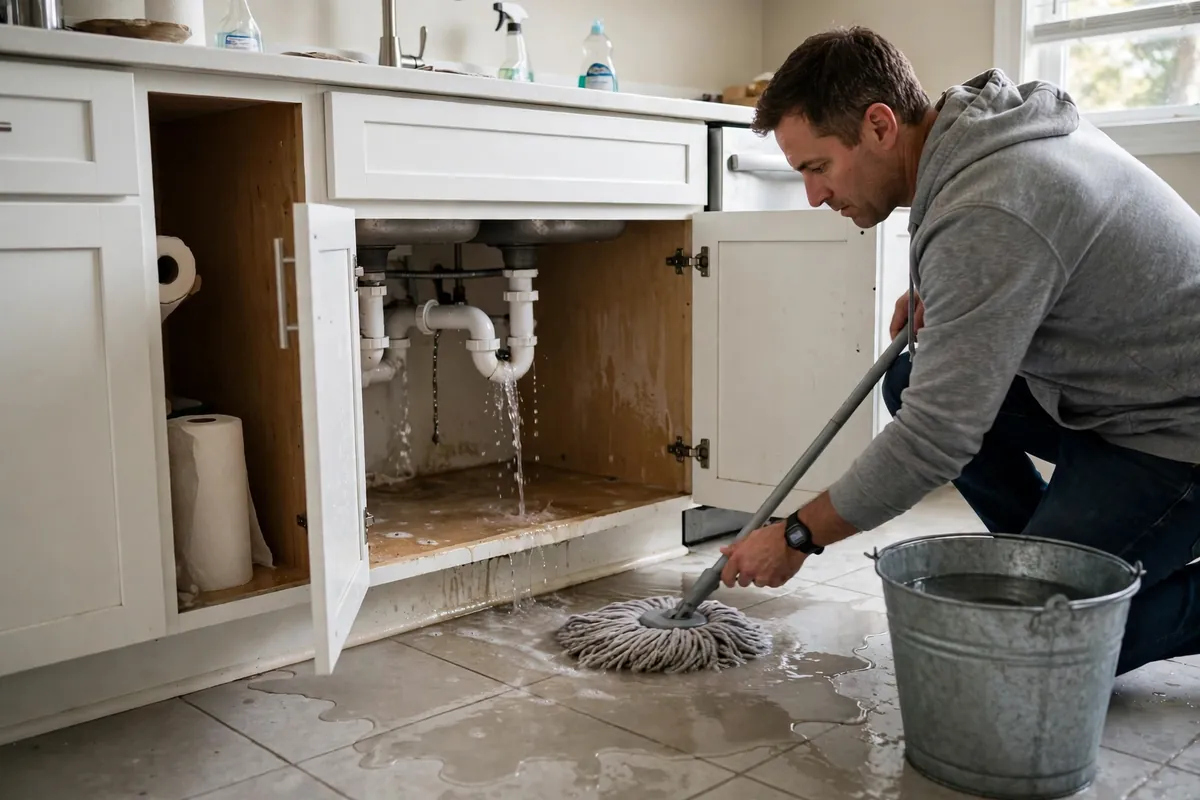
A burst pipe pours hundreds of gallons an hour. These five steps, in this order, are what limit the damage in the first minutes.
Read the guide →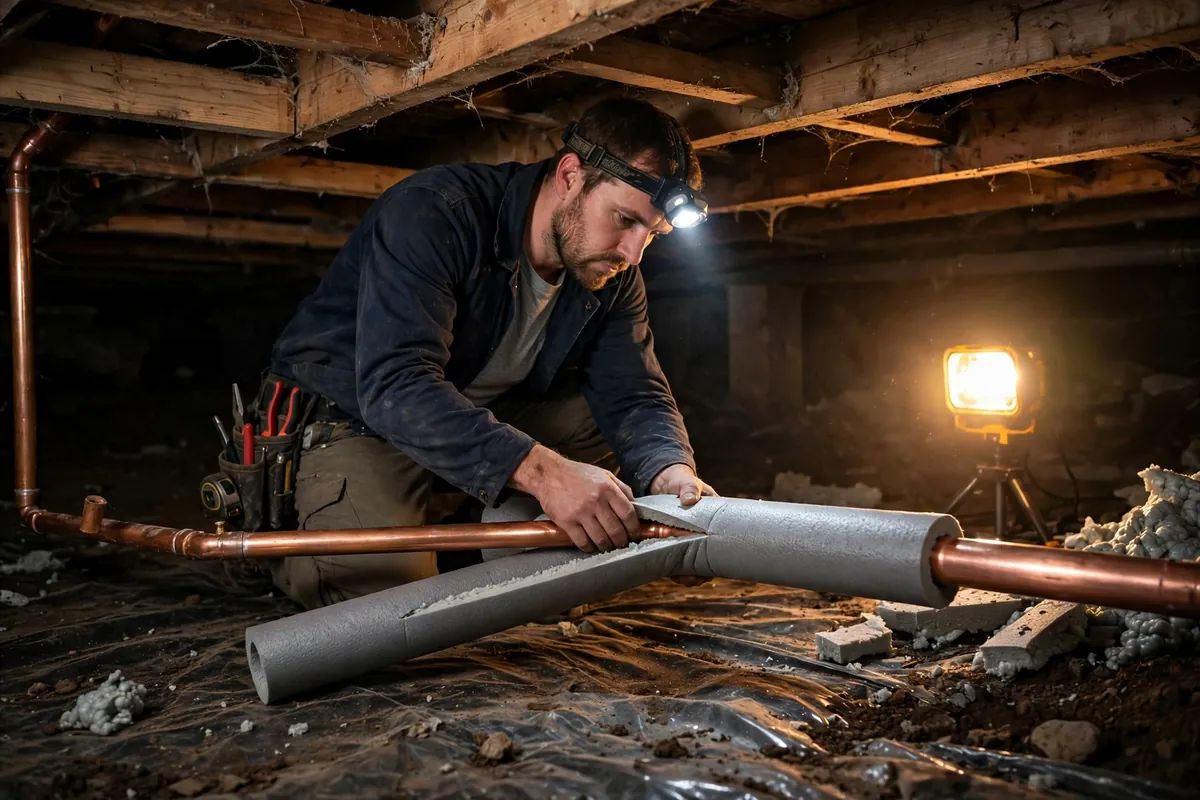
Most burst pipes in Brighton were preventable. Here's the checklist our crews wish every homeowner ran before the first hard freeze.
Read the guide →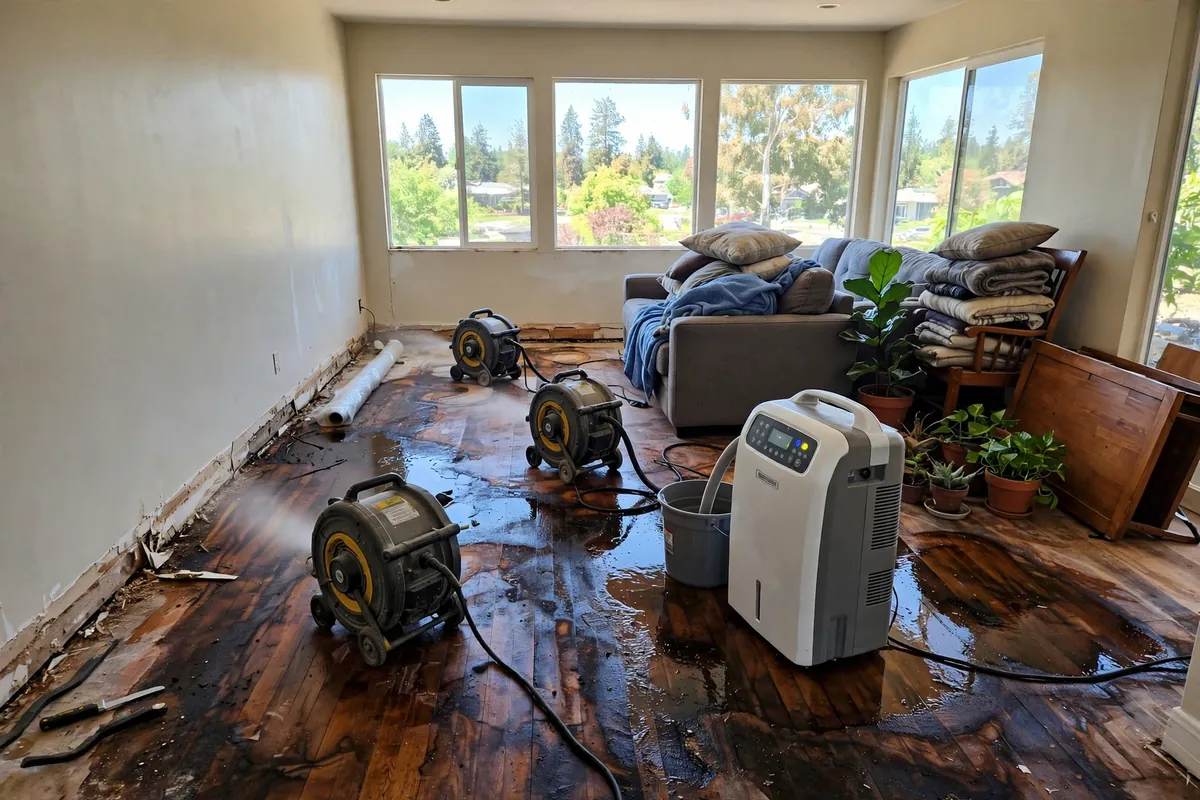
The damage is usually covered. The pipe itself usually isn't. Here's how burst-pipe claims actually work — and the documentation mistakes that get them denied.
Read the guide →24/7 emergency dispatch across Brighton, Thornton, Commerce City & beyond — upfront pricing before any work begins.
Call (720) 615-8111